Debunking Common Myths About Nutrition and Weight
Clarifying misconceptions and exploring what scientific evidence actually tells us about diet, nutrition, and body composition.
Understanding Misinformation
Misconceptions about nutrition and weight persist in popular culture, often due to oversimplification, misinterpreted research, or commercial interests. Examining these myths alongside scientific evidence helps develop accurate understanding.

Common Myths Examined
Myth vs. Evidence
| Common Claim | Accurate Context |
|---|---|
| "Carbs are bad" | Carbohydrates are an essential macronutrient. Type and quantity matter more than blanket avoidance. |
| "Fat makes you fat" | Dietary fat is necessary for hormone production and nutrient absorption. Overall caloric intake is more relevant to body composition. |
| "Skip meals to reduce weight" | Meal patterns vary individually. What matters is overall nutrition, not meal frequency or timing. |
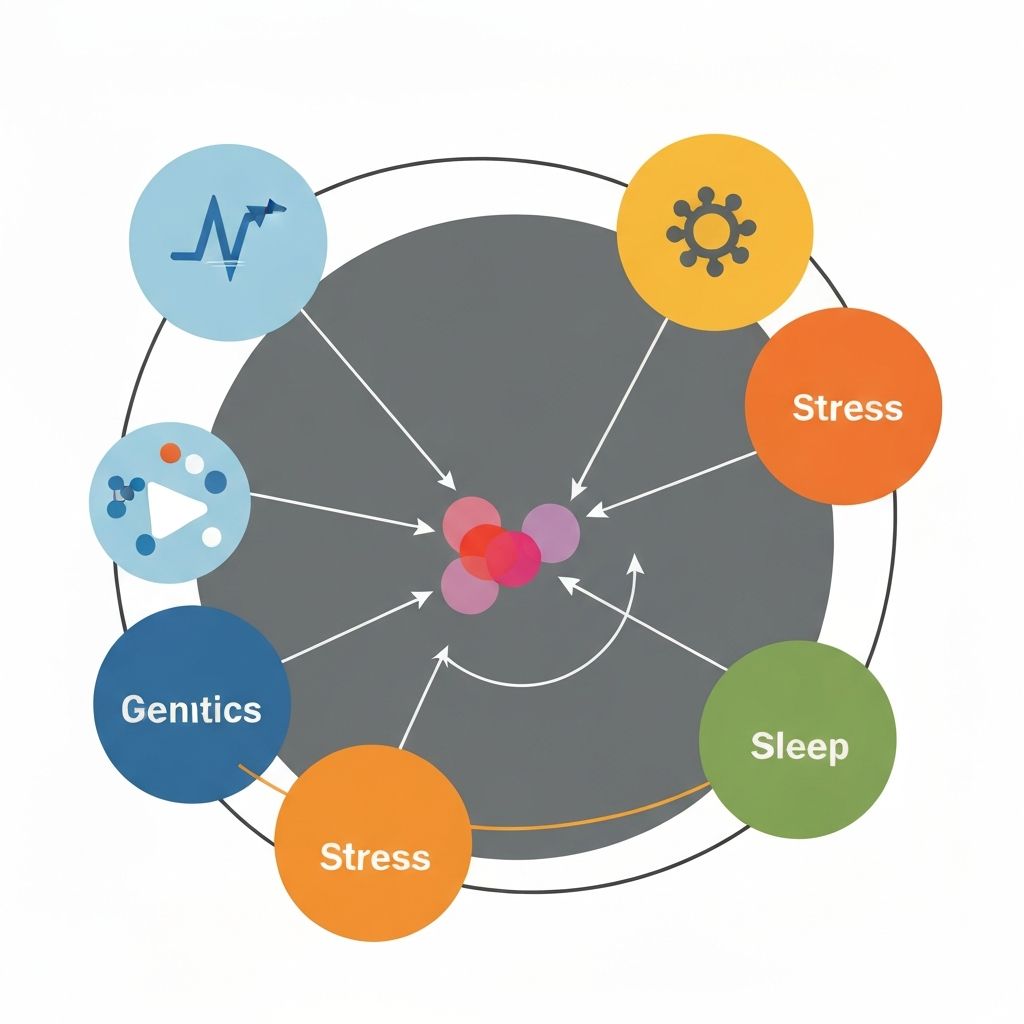
| "One food causes obesity" | Body composition results from complex interactions of genetics, activity, overall diet, sleep, stress, and more. |
| "Quick fixes work" | Sustainable changes in lifestyle habits are more meaningful than rapid interventions. |
The Complexity of Nutrition
Multiple Contributing Factors
Body composition and health are influenced by numerous interconnected factors:
- Genetics and individual metabolism
- Physical activity levels
- Sleep quality and duration
- Stress and mental well-being
- Overall dietary patterns (not single foods)
- Age and hormonal factors
- Environmental and social context
Evaluating Nutritional Claims
Critical Thinking
Look for scientific evidence, consider source credibility, and recognize that correlation doesn't equal causation.

Research Context
Consider study methodology, sample size, duration, and whether findings have been replicated by independent researchers.

Multiple Perspectives
Nutrition is a complex field. Multiple expert perspectives and consensus from scientific organizations provide better guidance than individual claims.
Important Disclaimer
This article is for informational purposes to help you understand nutrition better. It does not constitute medical advice or recommendations for specific dietary changes. Individual circumstances vary significantly.